



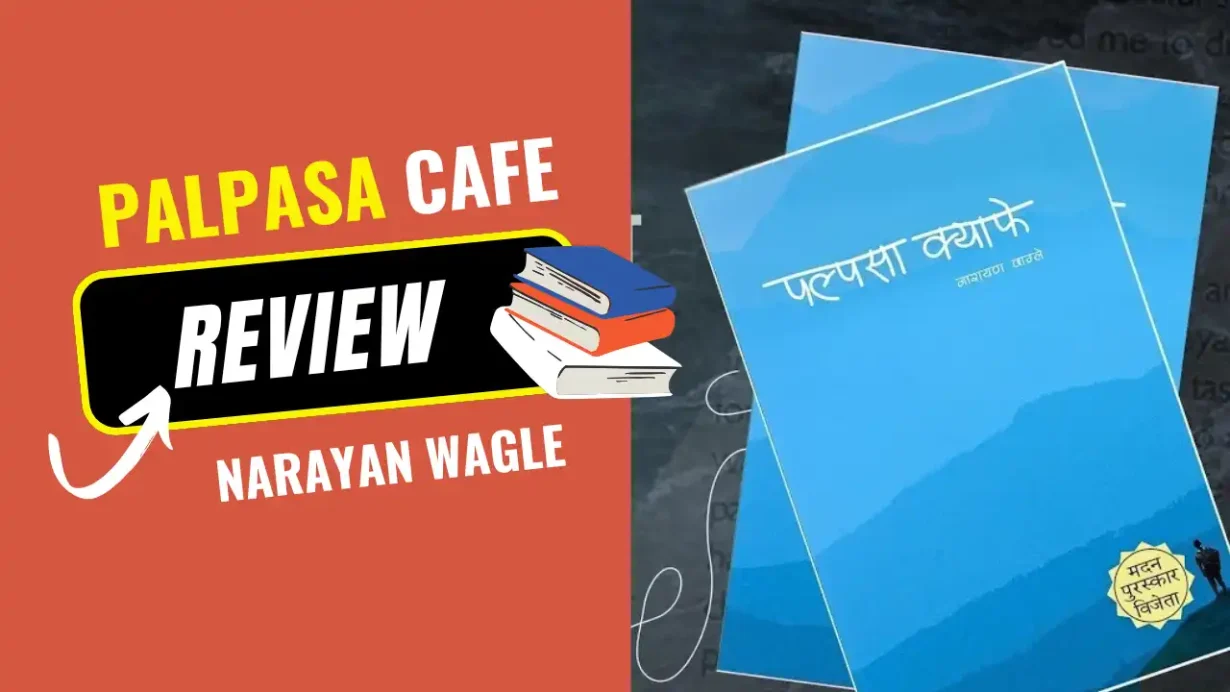
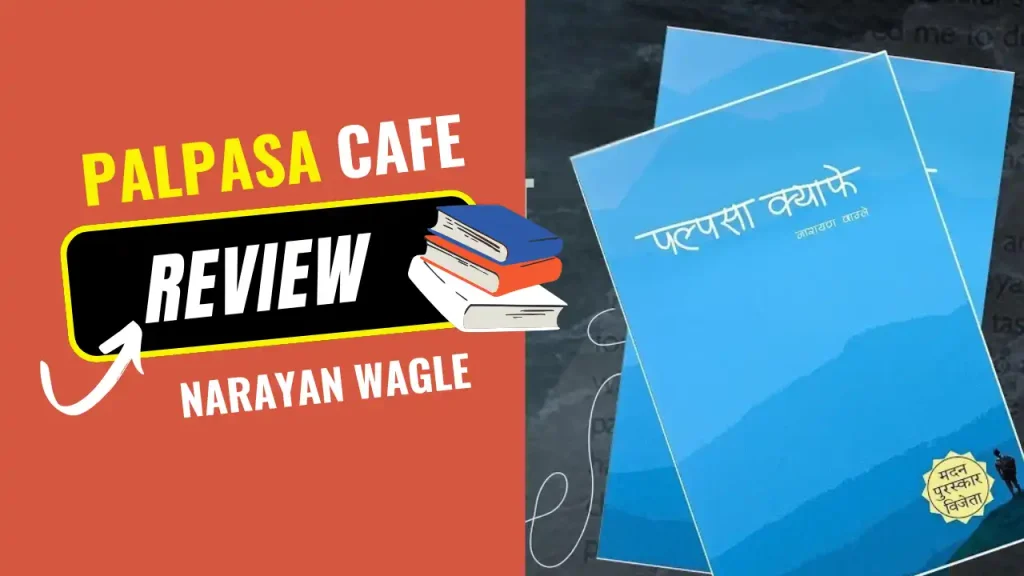
Palpasa Cafe by Narayan Wagle is one of those books that sneaks up on you. It sold over 52,000 copies and won the Madan Puraskar, Nepal’s most prestigious literary award. I went in skeptical. I came out understanding why it changed how Nepali people talked about their own civil war.
It’s a love story. But it’s also a war document. Wagle holds both threads at once and doesn’t let either one dominate. The romance doesn’t feel small next to the war. The war doesn’t feel like backdrop next to the romance. That balance is harder to pull off than it sounds.
Here’s what I actually think of it, without the hype getting in the way.
What the Book Palpasa Cafe Is Really About
Drishya is a painter in Kathmandu with a dream. He wants to build a cafe in his home village. He meets Palpasa in Goa. She’s a Nepali woman who returned from the United States after the 9/11 attacks. She wants to make documentaries. She cares about Nepal in a way that feels earned. Their connection is immediate but never uncomplicated.
The book doesn’t rush their relationship. Wagle takes his time building who both of them are. Drishya paints. He watches. He hesitates about almost everything. Palpasa pushes forward. That contrast between them drives the book before the war even becomes the main event.
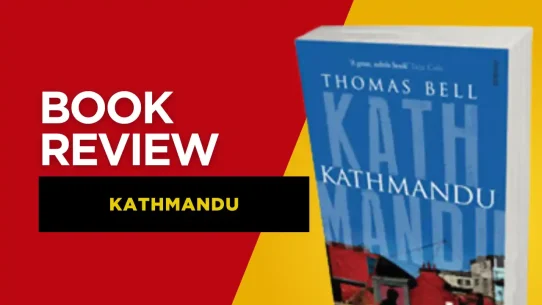
- Also, read my book review of Kathmandu by Thomas Bell
This is also a book about identity. Palpasa grew up abroad but feels pulled back to Nepal. Drishya grew up here but can’t commit to staying or leaving. Both are caught between versions of themselves. Wagle uses that tension without over-explaining it.
What gives the story its real weight is Nepal’s Maoist civil war running underneath everything. As Drishya travels through rural Nepal, he sees what the insurgency actually does to ordinary people. Families shattered. Villages broken. Friends choosing sides they can’t walk back from.
Wagle covered this conflict directly as editor of Kantipur. His firsthand knowledge shapes every rural chapter. He writes violence without dramatizing it. That restraint is what makes it land.
One structural detail worth noting is the framing device. Wagle himself appears as a character in both the prologue and epilogue. He’s waiting for Drishya. He learns his friend has been taken. That shadow falls over everything before the main story even begins.
What Wagle Gets Right
Palpasa is the book’s strongest achievement. She isn’t just a love interest. She’s a woman with real convictions and a complicated bond with Nepal. She came back to a country that isn’t quite what she remembered. Her perspective cuts through the book in ways that feel deeply true.
The moral ambiguity is also well handled. Nobody here is cleanly good or bad. Drishya watches his friend Siddhartha join the Maoists and doesn’t condemn him. He just grieves quietly. That restraint takes real writing confidence.
Wagle also succeeds in using art as a way of processing trauma. Drishya’s paintings shift as the war changes him. Art becomes both escape and testimony throughout. That thread gives the book a layer most war novels simply don’t have.
The rural Nepal sections carry the most emotional weight. Wagle describes what violence does to ordinary lives without softening anything. A newly married woman losing her husband. A child losing a best friend. Small scenes. Enormous weight.
The pacing of revelation is well judged too. The book builds toward tragedy slowly. You feel what’s coming before it arrives. But you keep reading. That pull is hard to manufacture, and Wagle sustains it across the whole book.
Most of all, this book required courage. Wagle wrote it during the insurgency, not after it from a safe distance. He wrote it while living inside that story. That fact sits underneath every page.
Where the Book Falls Short
The English translation is the biggest obstacle for readers outside Nepal. Wagle wrote in Nepali first, and the original reportedly carries richer imagery and a more poetic rhythm than what came through in translation. Something is clearly lost.
Some passages feel flat where they should devastate. Dialogue stiffens at times in ways that break the mood. Nepali readers consistently describe a very different emotional experience with the original. That gap is real, and it’s worth knowing about before you start.
Drishya can also frustrate. He’s passive in ways that sometimes read as selfishness rather than helplessness. Palpasa is more fully realized than the book’s own protagonist, and that imbalance shows. Whether this is intentional commentary on privileged Kathmandu men is debatable. It doesn’t always read as deliberate.
The middle section also drags. Some of Drishya’s rural wandering feels underdeveloped compared to the emotional clarity of the opening and closing chapters. A tighter edit would have helped.
Who Should Read Palpasa Cafe
If you’re Nepali, this is close to essential reading. It captures something true about that era of conflict that very few other works even attempt. The fact that Wagle wrote it while the insurgency was still active makes it more meaningful, not less.
If you’re part of the Nepali diaspora, this one hits differently. Palpasa’s whole arc reflects the tension of returning home and finding it changed. Her confusion and love for Nepal will feel honest in ways that diaspora readers recognize immediately.
If you’re not Nepali but want to understand Nepal beyond mountains and trekking routes, this is a strong starting point. It opens a window into the country’s recent wounds and how Nepal sees its own restless, searching youth.
This book also paved the way for others. Karnali Blues followed. Khalanga ma Hamala followed. Palpasa Cafe was where the open conversation about the civil war in Nepali fiction started. Knowing that adds to the reading experience.
Final Verdict: Palpasa Cafe Deserves Its Place in Nepali Literature
This isn’t a flawless novel. But it was a needed one, and it holds up.
Before this book, the civil war was something many people whispered about. Wagle put it on the page, named it, and gave it real characters. He let them face real consequences. That took courage from a journalist still living inside the story.
Reading *Palpasa Cafe* by Narayan Wagle gave me a fuller picture of Nepal’s recent past. It’s not comfortable. But the best books rarely are.
If you care about Nepal’s people and what that decade of conflict really felt like on the ground, read this. It’ll stay with you longer than you expect.