



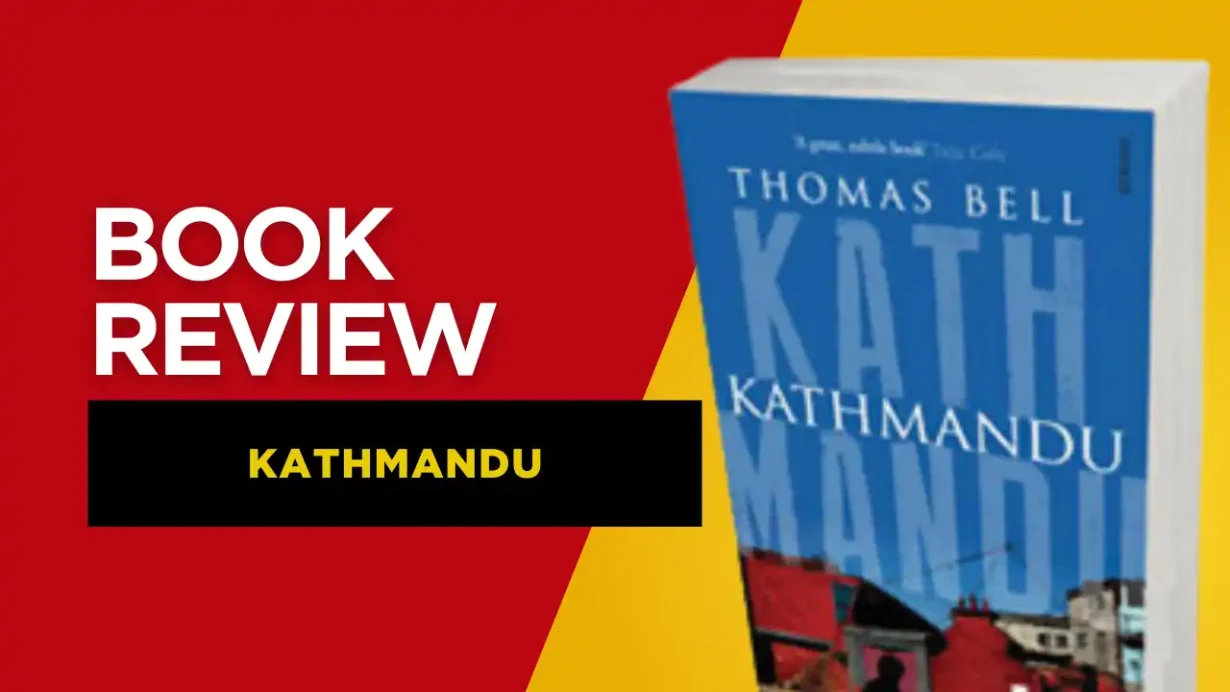
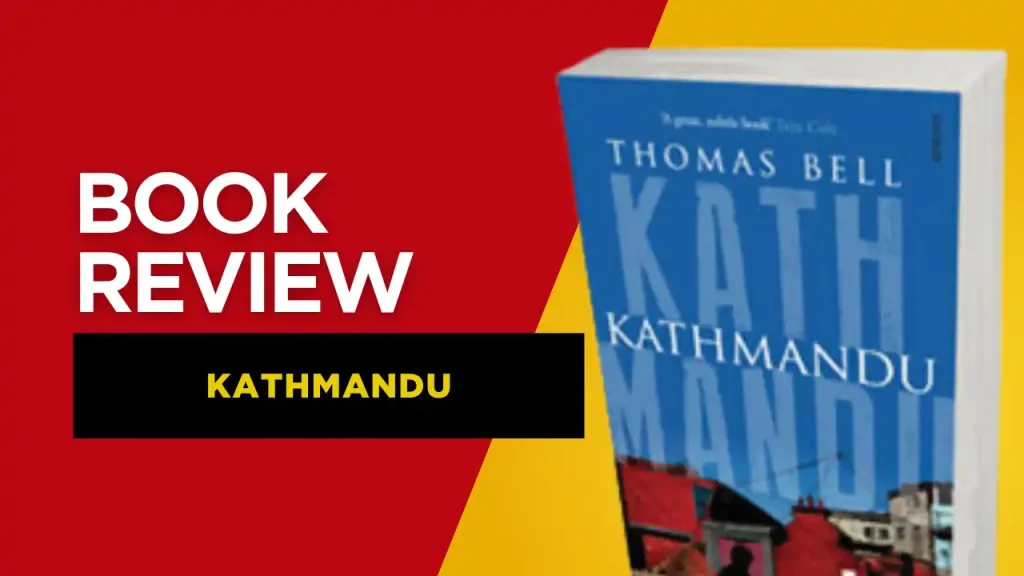
Kathmandu by Thomas Bell is one of those books that sneaks up on you. I picked it up before a visit to the city. I didn’t expect it to change how I see Nepal entirely.
Bell spent over a decade in Kathmandu as a journalist. He covered the civil war, married a Nepali woman, and stayed. That’s not a tourist’s perspective. That’s something rarer.
This review breaks down what the book does well and where it struggles. I’ll tell you exactly who should read it and whether it’s worth your time.
What Kathmandu by Thomas Bell Actually Is
Bell arrived in Kathmandu in the early 2000s as a journalist. He came to cover Nepal’s civil war for the Daily Telegraph and The Economist. Then he stayed. He married a Nepali woman, built a life here, and eventually wrote this book after more than a decade in the city.
That background matters more than it might seem. Bell isn’t a tourist writing impressions. He’s someone who earned his understanding slowly, built real relationships across social classes, and dug into archives most writers never bother with.
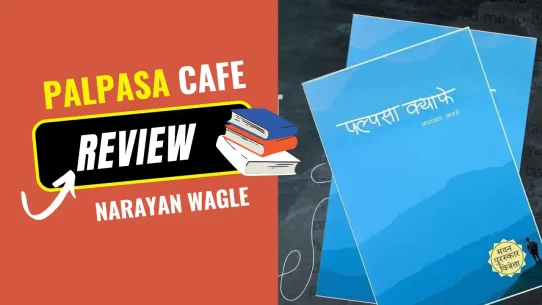
- Do not miss the book review of Palpasa Cafe by Narayan Wagle
The result is genuinely hard to categorize. It’s part history, part memoir, and part political journalism all woven together across nearly 500 pages. Most of it holds, though not always evenly.
Three Narratives Running at Once
The book follows three tracks simultaneously. First, Bell traces Kathmandu’s history from mythological origins through rapid modernization. Second, he documents Nepal’s Maoist insurgency and political collapse. Third, he threads his own personal experience of becoming a local through everything else.
These narratives loop and overlap without always signaling the shift. Some readers find that frustrating. Honestly, I think it fits. Kathmandu itself doesn’t follow a clean timeline.
What makes Bell’s history sections worth reading is the sourcing. He pulls from old manuscripts and colonial records that most writers skip. He walks into Maoist-held territory to interview fighters. He sits with Rana elites, development workers, and ordinary people. That range shows up in the texture of the writing throughout.
What Bell Gets Right About the City
Bell understands caste better than most foreign writers ever do. Many Nepal books acknowledge it exists and then move on quickly. Bell gives it real historical and social depth. He traces how it shapes everything from city layout to political alliances across centuries, which is something I found genuinely clarifying as an outsider to Kathmandu’s inner logic.
His explanation of the mandala is strong too. Kathmandu’s sacred geography isn’t just religious design. It reflects a worldview about order, power, and the cosmos. Bell explains this clearly without oversimplifying it.
The journalism sections are the book’s sharpest material. His firsthand account of the People’s Movement that ended the monarchy is immediate and vivid. You feel the tension on the page.
His critique of foreign development policy is equally memorable. He develops what he calls the walnut theory, arguing that the international community and the Nepali state lock together so tightly that real change simply can’t get through. It’s one of the most quotable ideas in the book, and it stays with you.
Where the Book Falls Short
Bell is a stronger journalist than he is a memoirist. That’s the honest summary of the book’s main problem.
He lived here for over a decade, married locally, and raised his family in this city. But his inner experience as a foreigner putting down roots stays largely absent from the page. There’s very little of what that actually felt like day to day. For a book so personal in its framing, that’s a missed opportunity.
Some chapters also drift between time periods without much warning. The transitions can feel abrupt, and a tighter edit would have helped the book breathe more smoothly.
Additionally, the book centers heavily on Kathmandu valley and on political elites. Everyday Nepal beyond the capital gets far less space than it deserves.
Who Should Read Kathmandu By Thomas Bell
This book works best for anyone heading to Nepal who wants real depth before they arrive. It’s not a travel guide. It’s closer to a serious primer on how this city actually thinks and why it functions the way it does.
If you’re drawn to South Asian politics, Himalayan culture, or how foreign development aid fails in practice, Bell’s perspective is worth your time. His firsthand reporting gives the book a credibility that purely academic writing often lacks.
Nepal researchers, students of Himalayan history, and anyone curious about how old kingdoms transition into modern states will find this genuinely useful.
That said, this isn’t a fast read. It rewards patience. If you want something you can finish in a weekend, look elsewhere.
Final Verdict: Kathmandu by Thomas Bell Stays With You
This isn’t a perfect book. But it’s an honest and important one.
Bell brings credentials most travel writers don’t have. He didn’t just visit Nepal. He stayed, covered the civil war, argued with bureaucrats, and watched political upheavals from close range over many years.
Reading it helped me understand a city I’d only experienced at the surface. That’s the clearest sign a book is doing its job.
If you care about Nepal, Himalayan history and culture, or how cities hold together under impossible pressure, pick up Kathmandu by Thomas Bell. It’ll stay with you long after you put it down.