
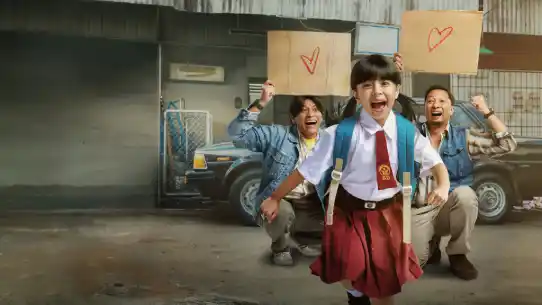



There is something quietly affecting about Call Me Dad that I did not anticipate. What began as a casual watch turned into a deeply warm experience. The movie establishes its found family theme early, emphasizing love built through care instead of blood ties. From the opening moments, the story feels honest and emotionally welcoming.
The film stood out to me through its honest depiction of men showing emotional softness. Tatang and Dedi carefully grow into comforting figures, offering safety through effort rather than instinct. Their clumsy care feels natural and believable. That emotional truth guides the rest of the narrative.
How Family Forms Beyond Blood
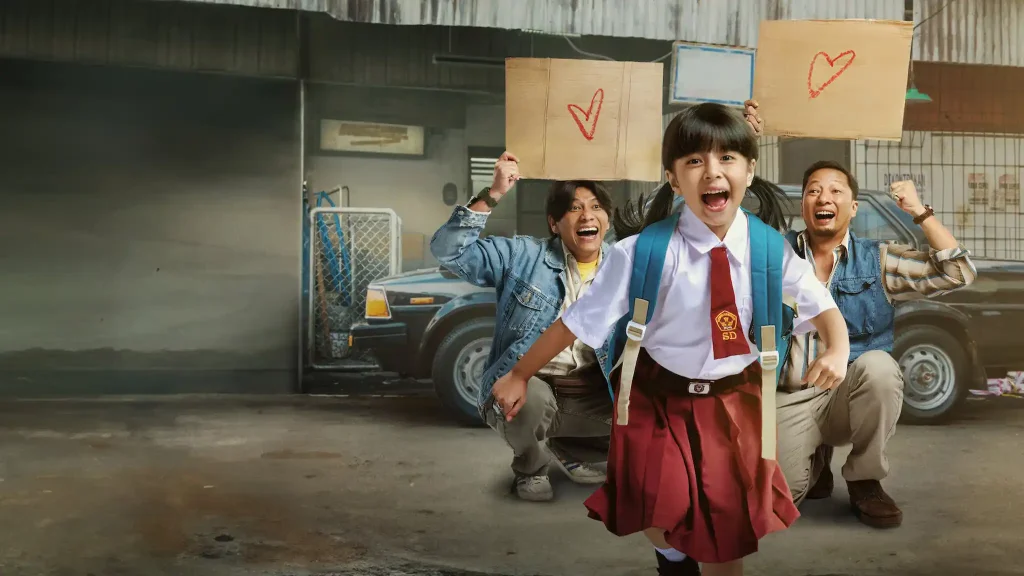
Call Me Dad strongly believes that family is built through shared moments, not genetics. The bond between the two men and the young girl grows through routine, care, and quiet protection. Instead of dramatic declarations, the film focuses on everyday gestures that slowly create trust. Their bond felt earned because it developed slowly over time.
This film respects the weight of found family, which I truly value. The emotional bond never feels exaggerated or artificial. Watching strangers become a source of comfort for each other hits deeply. It shows how love may gradually arise from commitment.
Also, read the movie review of isa pa with feelings
Emotional Safety and Masculine Vulnerability
One of the film’s strongest qualities is how it lets men show softness without judgment. Tatang and Dedi express care through patience, concern, and emotional presence. The film never turns this into a statement. Still, the message comes through clearly, and masculinity feels deeply human.
Their emotional growth feels natural and gradual. They do not suddenly become perfect caregivers. Instead, they stumble, learn, and grow through fear. That realism makes their transformation easy to relate to.
Acting That Feels Natural and Grounded
Ringgo gives a restrained performance, letting expression speak louder than dialogue. His expressions carry the emotional weight of many scenes. Myesha never feels overly cute or manufactured. Their on screen connection feels organic.
The film benefits from a supporting cast that knows when to hold back. No performance feels overplayed or unnecessary. Moments of silence carry real meaning. This restraint strengthens the emotional weight.
Child Performance That Holds the Film Together
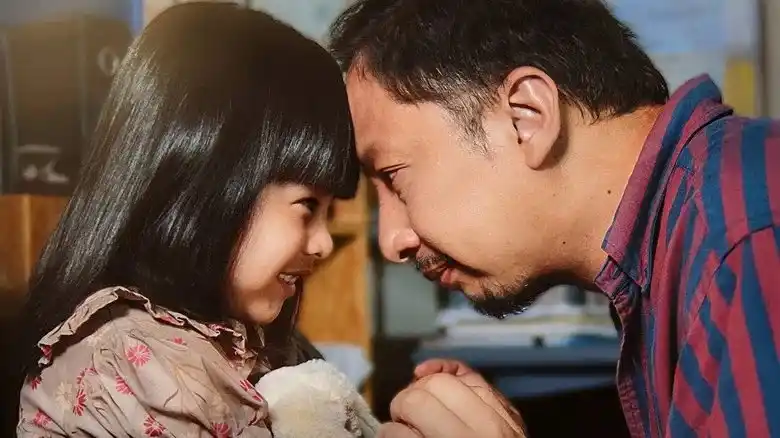
The young actress anchors the emotional core of the movie. Her reactions feel natural and unforced. She never feels written to serve the plot. Rather, she feels like a genuine child navigating hard moments.
Her presence softens the men without trying. That emotional pull feels instinctive. The film succeeds largely because her performance feels honest.
Visual Choices and Early Weaknesses
The cinematography starts off feeling a bit flat. Some early conversations look awkwardly framed and underdeveloped. This is most noticeable in the first interactions between Tatang and Dedi. The visuals strengthen as the narrative moves forward.
As the story develops, the cinematography becomes more refined and expressive. Period details strengthen the narrative layers. This helps keep the story grounded rather than stylized.
Pacing and Emotional Rhythm
The film runs a little long in places. Some scenes linger more than necessary. Still, the emotional rhythm mostly holds together. I never felt bored or detached from the story.
Comedy and sadness blend gently rather than aggressively. The movie never overreaches with jokes or depth. That balance makes the emotional moments feel real.
Scenes That Hit the Hardest

The first sections of the film carried the most emotional weight. A few moments took me by surprise with their subtlety. Their unpolished realism made them memorable. These parts show the movie at its best.
My emotions were quietly drawn in before I realized it. The characters felt real rather than written. That emotional attachment made everything else matter more.
A Slightly Rushed Ending
The finale attempts to connect to the opening, an intelligent idea. Yet, the scenes feel hurried. Scenes like Tatang leaving or Dedi’s accident don’t hit as hard emotionally.
That said, the damage was already done. I was too emotionally affected to care much. The heart of the film still remains intact.
Final Thoughts on Call Me Dad
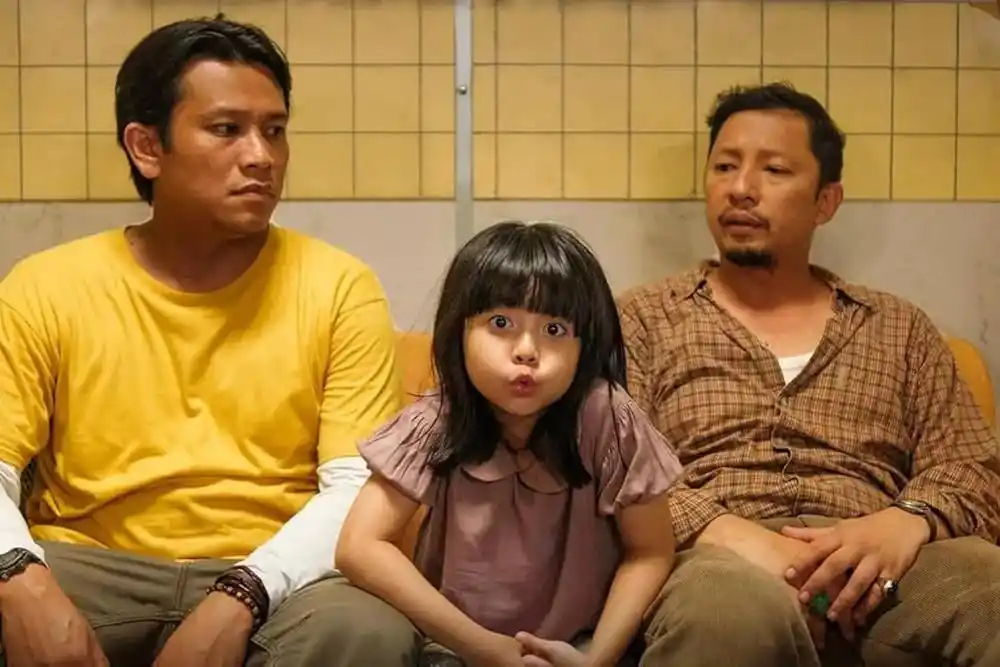
Call Me Dad movie reflects a film that understands emotional restraint. It tells a story about found family without forcing tears. The performances, especially from Ringgo and the child actress, carry the film through its weaker moments. Its honesty surpasses its shortcomings.
Despite pacing issues and an uneven third act, the emotional core stays strong. The film reminds us that love often appears in unexpected forms. That message strikes as sincere and naturally earned.
Is Call Me Dad Worth Watching
Call Me Dad is not a perfect film, but it is a heartfelt one. It shows how people grow into family through care and responsibility. The warmth lingers long after the credits roll. For me, it was absolutely worth watching.