




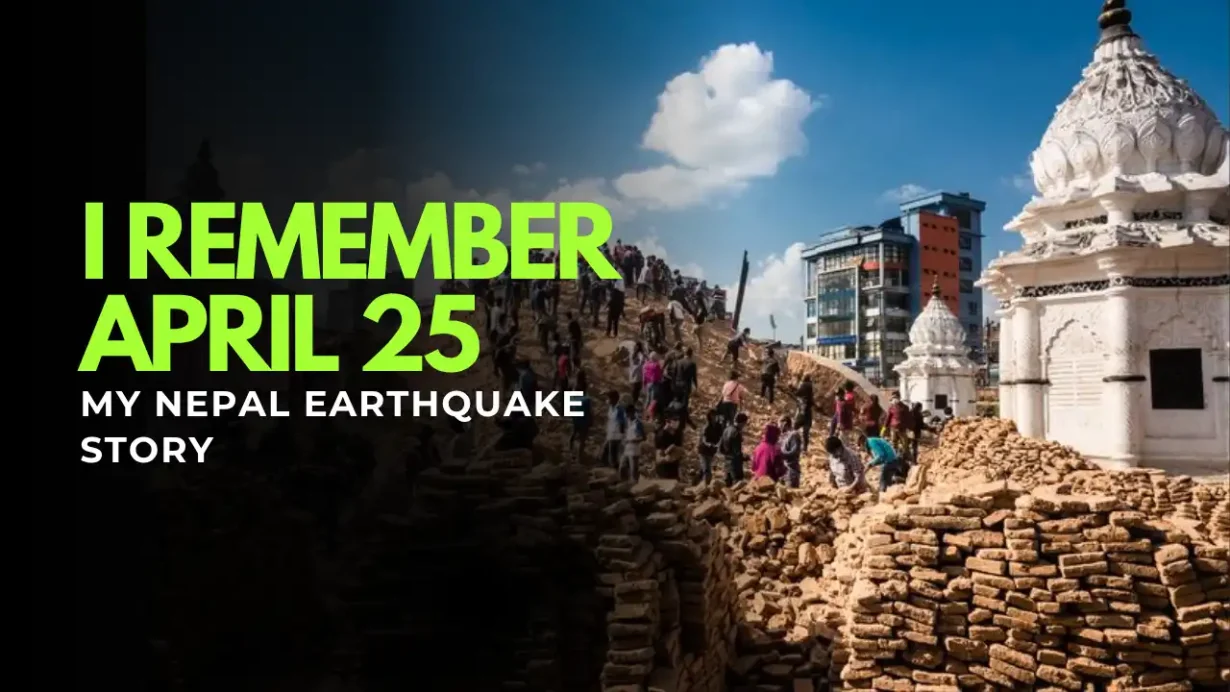
That morning I was just at my computer, playing a game like I do most Saturdays. Nothing was different. Butwal was calm, the house was quiet, and I was completely in my own world. I had no idea what was about to happen, and honestly, nobody did.
Then the ground just started shaking.
The Moment I Realized Something Was Wrong
At first I genuinely thought it was in my head. Then my chair moved, and I looked over and the bed was shaking too. The whole room felt unstable, like the house had come loose from the ground somehow. My first actual thought was that this was paranormal activity, which sounds embarrassing now but that’s just where my head went. It scared the hell out of me.
- Also read, 7 Things New Nepali Moviemakers Should Change ASAP
I called out for my family and nobody answered. I called again, nothing. I went outside and saw every single neighbour already out in the street. Some were running, some were just standing there not knowing what to do. That’s when it clicked for me. This was a real earthquake. My mother came and found me not long after and just took me away from the house. She didn’t explain anything, she just grabbed me and we went. That was honestly the most scared I’d felt in my life up to that point.
Butwal didn’t get hit badly. We were far enough from the epicentre that the damage wasn’t serious here. But the fear was real regardless of where you were standing that day.
What I Saw on the News That Night
I didn’t understand how bad it really was until I turned on the news later that evening. The earthquake had hit at 11:56 in the morning, magnitude 7.8, with the epicentre near Gorkha, around 80 kilometres from Kathmandu. It was only 15 kilometres deep which is what made it so destructive. The shaking reached Nepal, northern India, Bangladesh, parts of China and Bhutan all at once.
The numbers that came up on screen were hard to sit with. Close to 9,000 people died. Over 8 million people were affected, which is nearly a third of the entire country. More than 600,000 buildings were damaged or flattened, including old temples that had been standing for hundreds of years. An avalanche hit Everest base camp and killed 19 climbers. An entire valley called Langtang lost around 200 people to a single landslide. I just sat there reading all of it and couldn’t really process it. I felt relieved my family was okay, and then felt guilty for feeling that way.
The Football Ground Nights
Nobody in our area wanted to sleep inside after that. Every small sound the house made felt like a warning. We weren’t even in a badly affected zone, but it didn’t matter, the fear doesn’t work that way. So we took our blankets and mats and went to the nearby football ground, like a lot of families around Nepal were doing those nights.
It was strange being out there. Neighbours who never really talked much were suddenly sitting together, sharing food, keeping each other company. Kids were running around like it was some kind of camping trip while the adults sat quietly not saying much. We stayed out there for several nights because a 7.3 magnitude aftershock hit on May 12 and the ground shaking again brought all that fear right back. Sleeping outside felt safer, even when it was cold and uncomfortable. You get used to it faster than you’d think.
What the Country Actually Lost
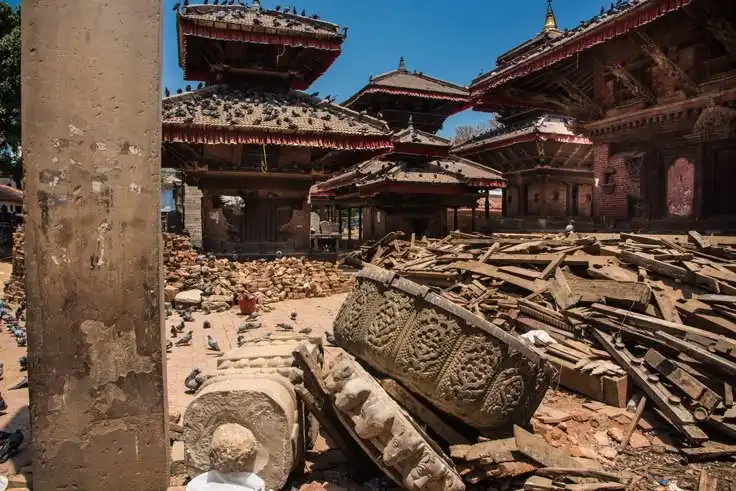
The scale of the damage was massive when you look at the full picture. Over 8,000 schools were damaged, which kept nearly a million kids out of school for weeks. Rural hospitals collapsed exactly when they were needed most. Farmers lost their crops, their animals, their tools, all of it in one morning. The total damage was around 7 billion dollars, which was close to half of Nepal’s GDP that year. The recovery was always going to be long and hard.
What I keep thinking about though is who actually showed up first. It wasn’t rescue teams from abroad or government officials. Regular Nepali people were already digging through rubble with their hands before any of that arrived. People from unaffected areas were driving or walking toward the worst hit places to help. Communities that didn’t have much were sharing what little they had. That side of it doesn’t get talked about enough when people discuss the earthquake.
How Nepal Got Back Up
It took years and the rebuilding is still ongoing in some places. But things did move forward. Schools got rebuilt. Trekking routes opened back up. Everest base camp was back and running by August of that same year. International help came in from dozens of countries, India and China alone sent over a billion dollars worth of aid. Five years after the earthquake, most families had either fixed or fully rebuilt their homes. Progress was slow and uneven but it was real.
Ten Years Later
April 25 still feels like a specific kind of day when it comes around. For people like me who were away from the worst of it, it’s mostly quiet reflection. For people who lost family or their entire village, it’s something much harder to describe. I still think about those nights on the football ground sometimes. The cold air, the sound of people talking low around me, the weird feeling of everyone just waiting together without knowing what comes next.
Nepal has been through a lot. It’s not a rich country and it doesn’t have the infrastructure that makes disasters easier to survive. But people here don’t sit around waiting to be saved, and that’s something I’ve seen clearly since that day. The earthquake took nearly 9,000 lives and broke a lot of things that took years to fix. But it didn’t break the people, and that’s the part I want to remember most when April 25 comes back around every year.